

The IT and Security Leader’s Guide to Securing the Distributed Edge
Highlights at a glance
- Replaces outdated perimeter defenses with a zero-trust framework built on identity verification and micro-segmentation
- Uses AI-driven analytics to detect threats in real time and automate response across distributed locations
- Simplifies edge operations with unified, centralized management and consistent policy enforcement
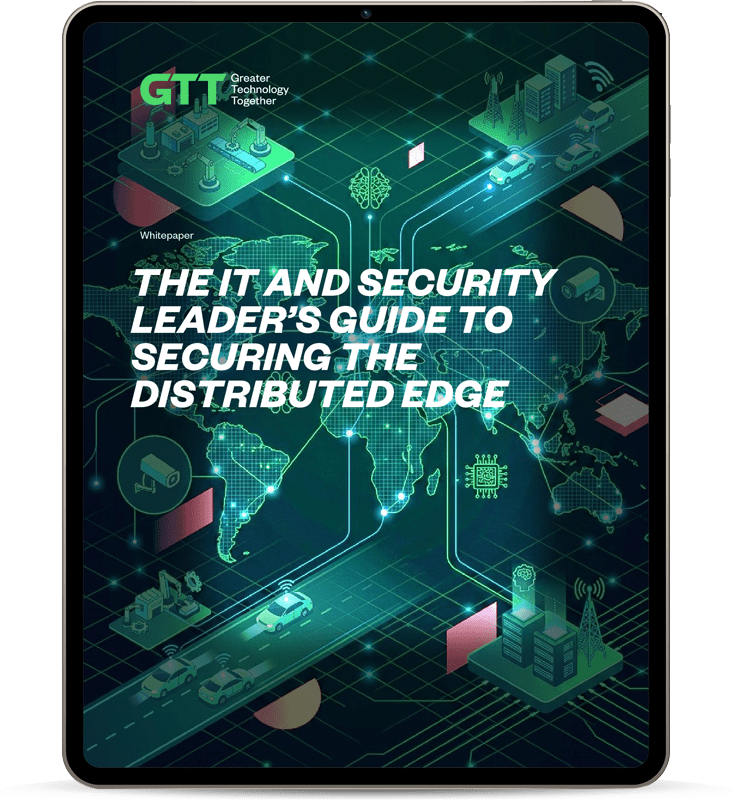
Enterprise perimeters no longer exist within four walls. Branches and remote workers and IoT devices have all pushed computing to the distributed edge; perimeter-based defenses were never built for a network with no center.
This guide gives IT and security directors and managers actionable guidance for transforming their edge security posture, covering the best practices and tools needed to securely connect people to applications and global infrastructure while simplifying IT operations.
Download to learn:
- The three pillars of effective edge security: zero trust, AI-driven analytics and unified management
- Best practices for auditing your environment, tightening identity and access management and applying micro-segmentation to limit the blast radius of a breach
- How AI-native platforms and ZTNA replace outdated VPNs and reduce alert fatigue for security teams
- How to phase edge security modernization without a disruptive overnight overhaul, including how to bridge legacy systems that lack native security controls
- Key terms IT and security leaders need to align on before starting a distributed edge initiative
Get your copy today.
Related Resources
-
Learn more: Closing the Trust Gap in AI-Driven Networking

Closing the Trust Gap in AI-Driven Networking
-
Learn more: Beyond Just SASE: A Pragmatic Blueprint for Secure, Efficient Connectivity to Protect All Users at the Edge

Beyond Just SASE: A Pragmatic Blueprint for Secure, Efficient Connectivity to Protect All Users at the Edge
-
Learn more: GTT & Corero | Solution Guide – Choosing the Right DDoS Service
GTT & Corero | Solution Guide – Choosing the Right DDoS Service
Ready to turn these insights into a reality for your network?
Talk to our team about putting these insights into practice.